

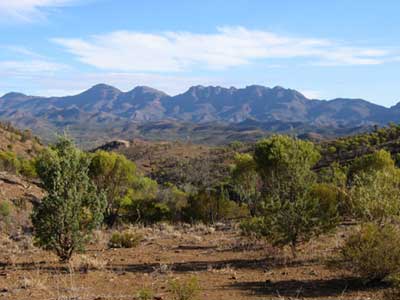
The Flinders - like much of remote Australia - is beautiful ... but it can also be deadly.
Australia’s remote and rugged Outback is stunningly beautiful, but it can also be incredibly dangerous.
As increasing numbers of grey nomads and other adventurers head bush, it is all too easy to forget that even relatively popular spots are still ultimately wilderness areas … and that means enormous care is needed. Just a few weeks ago an elderly woman fell 10 metres and injured herself at Mossman Gorge in Queensland.
Before that, the bodies of two men were found at the base of a cliff in a rock climbing location in the Flinders Ranges. A man also drowned recently while swimming at Fern Pool in Karijini National Park. And massive searches for missing bushwalkers have become relatively commonplace.
This growing list of incidents and tragedies has left national park authorities facing something of a dilemma … how do they balance maximising the safety of visitors with allowing them full access to the incredible beauty of Australia’s stunning gorges, trails, mountains and rock pools.
The New South Wales National Parks and Wildlife Service says nobody wants to see a national park filled with obtrusive fences but sometimes it says it is left with little choice.
“Before people enter dangerous areas such as cliff tops and tidal rock shelves, we urge them to think about the consequences of their actions,” said an NPWS spokesperson. “Safety is also a personal responsibility and park management encourages visitors to be aware of their own physical abilities and experience when deciding on which activities to undertake in our national parks.”
South Australia’s Department for Environment and Water says it is important for visitors to research the places they are going and to take direction from park rangers.
“Exploring national parks is an opportunity to discover untouched beauty,” said a spokesperson. “However, it is not possible to remove or treat all potential hazards and risks in parks.”




More fencing and signs don’t work just look at the 12 apostles they just climb over the fence and take no notice of the signs
Replying to the subject line… Well, that’s an easy one, all trails to be on google maps, open street maps etc.
People have to start taking responsibility for themselves & the ones they are with, no your limits & be prepared when entering these areas.
Comes under Commom Sense!!
People need to take responsibility for their own actions. If they go against safety signs, then so be it. Why should attractions / scenery be spoiled for the majority when it is the minority that can’t be bothered looking after themselves.
There should only be fences in very popular places where people congregate to look at the view or on a dangerous track where the recklessness of one could make it unsafe for others.
Agree with Deb and Steven. People have to start taking responsibility for themselves. On 3 different occasions in the last year I’ve had to assist people in National Parks who and remote areas who were ill prepared.
You can not protect Morons. As a famous TV Judge once said “beauty will fade, dumb will remain forever”.
This is ridiculous. The more money spent trying to protect idiots from themselves the more determined they become to beat the system. It is impossible to keep nature welcoming yet mitigate ‘dumbness’ we enjoy visiting the natural areas in all of the states in our beautiful country and yes, we unfortunately see evidence of moronic behaviour, be it defacing nature, crapping everywhere, lighting fires, toilet paper blowing in the wind ……… the list is endless and no amount of fencing or signs will stop this happening. All it will do is blemish the natural beauty of the area and increase the costs on those decent Aussies who end up paying for this additional unnecessary work. Same old story unfortunately. It is the quiet achiever who pays more and more to support the vocal expectant minority.
How far can you go to protect some people from themselves without hindering others?