

Despite the well-documented threat that bushfires pose in Australia, it seems that there are still large numbers of campers who continue to flout restrictions.
The Tasmania Parks and Wildlife Service (PWS) has just lifted the restrictions on campfires in most of the state’s national parks and reserves.
During the campfire restriction period, which began on October 20 last year, PWS attended 258 illegal campfires, 42 of which were still alight when staff arrived.
Waterhouse Conservation Area, in the state’s north, had the largest number of illegal campfires reported during the restriction period, with 36 separate campfires found in the reserve.
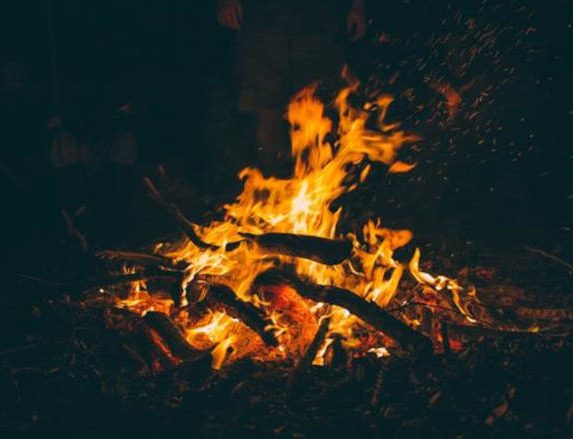
Campfire restrictions are coming into force in Tasmanian national parks. PIC: Tasmania PWS
Campfire restrictions had been in place for parks on Flinders and Maria Islands, as well as in Dorset, Break O’Day, Glamorgan/Spring Bay, Sorell, Tasman, Kingborough, and Huon municipalities, Narawntapu National Park, and Snaky Creek and Tooms Lake conservation areas.
Restrictions will remain in place for national parks and reserves on King Island until further notice.
 Some national parks and reserves also maintain fuel stove only areas throughout the year, including the Tasmanian Wilderness World Heritage Area, Freycinet National Park, Tasman National Park, and the Vale of Belvoir Conservation Area.
More details on these areas can be found here.
While Tasmania endured a dry summer, PWS State Fire Manager Katy Edwards said the decreased risk of bushfires now permits the resumption of campfires, pot fires, and solid fuel stove use in these previously restricted campgrounds.
“We understand the importance of campfires as part of the camping experience, and we are pleased to announce their reinstatement,” Katy said. “However, we urge visitors and the community to remain vigilant and adhere to all safety guidelines to prevent accidental fires.”
While campfires are now permitted, PWS reminds visitors to exercise caution and responsible fire management practices.
Are you a Grey Nomad member yet? Click here to find out about the discounts, competitions and other benefits on offer.





We have about 3 campfires a year.
We are not into burning the Australian bush..
So many camping areas have spoilt by stripping the surrounding vegetation
A number of campers light a fire & then retire to their caravan to watch TV .
A few campers light campfires on 30+ degree days.
Not many people actual do any campfire cooking.
Exactly !!!
We were free camping at a small-town camp site south of Nindigully Pub. There were a bunch of three couples with their new 4WD’s and new vans camped 100 meters away. They had a bonfire burning all day and overnight. In the morning, they threw a heap of rubbish on the blaze and drove off. We had to put the fire out which was about 100 meters from a huge plastic covered stockpile of grain. Newby’s!
Oh, for heavens sake. Let’s protect our battered environment by banning campfires everywhere all the time.
At least one very popular free campground has done exactly that and others will follow.
No, it is not a God-given right. If you are desperate, use a propane fuelled fire. Cheaper, cleaner and safer.
Speak for yourself Tony. A campfire, lit according to the rules, is part of camping as is campfire cooking. Perhaps you should stay home and watch camping videos.
If everyone was as perfectly behaved as you obviously are, why has a major campground gone fire-free? Get used to this because too many campers do not act according to rules, common-sense or consideration for others or the environment.
“Campfires/naked flames are no longer allowed off ground & contained.
Notice of fire restrictions at Lake Wallace posted by Lithgow City Council below:-
‘The Lithgow area has an abundance of environmental areas that are a drawcard for visitors. Lake Wallace is an example. During holiday periods, the lake foreshores and water are heavily used. This requires careful management of some of the issues that can arise.
While open fires are much-loved by some campers, they can create problems. This includes damage to the open spaces and the need to then remediate the affected areas. Vegetation which supports wildlife can also be damaged when people forage for kindling and firewood. The community has expressed concern that unattended fires impact the safety of other users, and result in negative impacts to the environment and amenity of the site.
As of 22 May 2023, open fires will no longer be permitted within the bounds of Lake Wallace.
Signage advising of the changes will be immediately erected to inform all users visiting the site. Please contact Lithgow City Council on 02 6354 9999 should open fires be identified.’
It’s the fires lit contrary to rules, common-sense, and consideration that are the problem. Smashed bushes, ripped down branches, sterilised patches of ground, rock fire rings everywhere, fires left smouldering, other campers double smoked.
Wonder who does these sort of things when nobody owns up to it
Agree with John, campfire cooking is what makes camping so different and enjoyable for us. Just use commonsense in where, when and how you do it.
Fires the scourge of Australia. Suggest you download the free app “WINDY” and see the fires as they burn, even worldwide.
why is it that Nomads pull into a camp and immediately set about lighting a fire? then they P off back into the van.
We have been to Free camping sights where there were constructed fire places, but still, the Morons were building and lighting a fire on the open ground with a few rocks around it. What does it take to teach these morons to be a bit sensible and use the appropriate pits
?
I think the issue is mostly about being responsible with any fire. If more people followed simple precautions, then the concerns of the fire services would be much lessened. I’d like to see more areas allowing fires with the provision that they are within contained fire pits (eg portable metal flat pack fire pits).