

Anger over the pothole pandemic which is blighting the on-the-road experience of many grey nomads and other motorists is growing after some ‘big boys’ took out multiple vehicles in Victoria.
Some 30 vehicles were forced off the road due to large potholes that opened up along the Princes Freeway at Bunyip in the state’s east.
One towing operator told the media there were multiple ‘very large’ potholes that were impossible to see when they were full of water, and cars were blowing their tyres.
And on the Calder Freeway in Central Victoria, at least seven cars were forced off the road after suffering damage caused by a very large pothole.
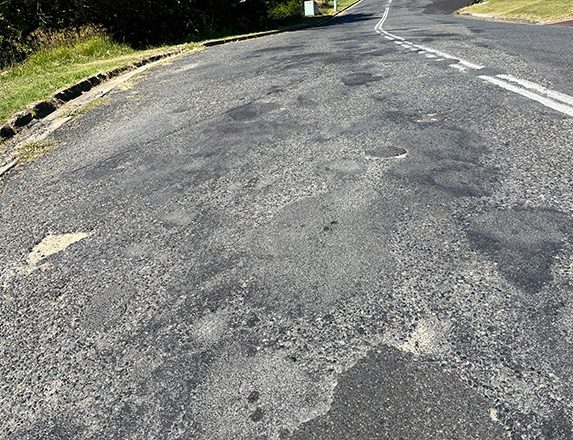
Patching up the holes isn't always an effective long-term solution
Back in November, some 20 cars were damaged when they went down a pothole on the Princes Freeway at Nar Nar Goon.
Not surprisingly, the state of the roads, both in Victoria and around the country, is sparking some serious angst.
Victoria’s Shadow Minister for Local Government, Bev McArthur, said Victorians didn’t want excuses, they ‘wanted roads that were safe to drive on’.
Last year, she warned that it was an issue that was impacting visitors, and not just those travelling on remote country roads.
“The Great Ocean Road is one of Victoria’s greatest assets, but locals and tourists are being greeted with potholes, crumbling access roads, broken beach entries and disgraceful toilet facilities,” she said.
Similarly, there have been major concerns raised recently about the number and size of potholes on Phillip Island.
Grey nomad Gill Kidd says this is an Australia wide problem, though … and she say the quality of today’s fixes could be partly responsible.
“In the past, a newly-built road would last a decade before holes appeared, but now the road starts breaking up in months,” she said. “The base structure doesn’t seem to be strong enough and, when the bitumen is sprayed over, it does not seal fully and once moisture gets in then the road cracks and falls apart.”
Potholes are most common on heavily used roads, older streets and roads exposed to water damage or poor drainage.
And motoring organisation, the RACV, says they are just a frustrating reality for drivers, especially after heavy rain, when they can appear suddenly and damage tyres and suspension, and create hazardous driving conditions.
Silvia Morris, RACV Driver Education and Development Manager, warns motorists not to underestimate the damage that potholes can cause.
“Large potholes have the potential to cause severe damage to your tyres, wheels, suspension, exhaust and/or vehicle body, and in some cases can even lead to drivers losing control of their vehicle,” she said. “Even small ones can cause wear and tear to your vehicle’s suspension and steering, which can be costly.”
Ms Morris says that while it is not always possible to avoid potholes completely, there are several ways to reduce the risk of vehicle damage. These include: staying alert and scanning the road ahead; keeping a safe following distance; slowing down safely; avoiding puddles when possible; keeping hands on the wheel; maintaining correct tyre pressures; inspecting tyres regularly; and being particularly cautious after heavy rain.
“Also beware of driving through puddles,” she said. “Some puddles can be hiding large potholes underneath them, so you should avoid driving over puddles where possible.”

WIN DENI UTE MUSTER TICKETS
Grey Nomad members are being given the chance to win one of three admission and camping packages to the iconic Deni Ute Muster event in the NSW town of Deniliquin.
Each package is valued at $800 and includes two General Admission tickets, a reserved campsite, and early entry from Wednesday for the event which this year runs from Friday, October 2, until Saturday, October 3.
Click here to learn more about the competition.