

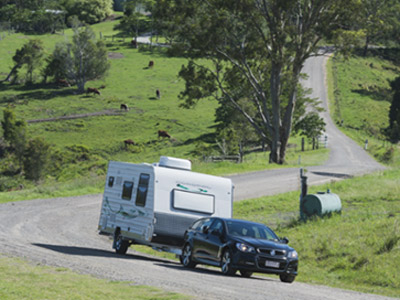
The caravanning industry might need more help on the road to recovery. PIC: CIAA
New statistics shows that caravan and camping is the most popular holiday accommodation type for Australians as they come to terms with a Covid travel environment … but there are fears the industry is still at risk.
The latest insights from Tourism Research Australia for the September 2020 quarter showed caravan and camping accounting for 44% of all holiday nights across Australia.
The insights revealed that over 1.9 million caravan and camping holidays were undertaken by Australians nationally, creating 8.4 million nights for the September Quarter 2020 alone. While this represented a national decline of –28% and –14% respectively from 2019, this was well ahead of broader tourism numbers.
The Caravan Industry Association of Australia (CIAA) says the data shows the importance of caravan and camping has had in driving the economic recovery of the visitor economy … but that it still might need help.
“We live in a world of fragile consumer confidence at present creating a two-speed economy,” said CIAA boss, Stuart Lamont. “Whilst it is important that governments make health the first priority for Australians, concerns remain for those operators and communities in border towns, transit regions and remote locations that are continuing to feel the financial pain of border closures and are not enjoying the spoils of Australia’s fascination with the caravan and camping lifestyle.”
The CIAA believes that, with the everchanging environment of border closures, the devastating and long-lasting impacts of last season’s bushfires, and challenges with accessing insurance, many businesses still face the real prospect of closure.
With Jobkeeper coming to an end in March, the group is calling on the government to look at other support programs such as personal tax deductions for domestic holiday travel to encourage increase demand in support of struggling businesses. It also suggests concessional funding for tourism operators that is paid back once a return to profit occurs, coupled with increased access to business advisory services to help operators pivot to new opportunities and manage cashflow.