

The devastating flash flooding that caused huge damage to locations along Victoria’s Great Ocean Road is still having a massive impact on the tourist trade.
And, once again, grey nomads and other travellers are being urged to visit and show support when they can.
The Geelong Advertiser reports that formerly-scenic beachfront campgrounds now resemble car wreckers’ yards after the January 15 weather event, and local businesses are desperately calling for visitors to ‘come anyway’ over the peak season.
The paper says flash flooding transformed scenic beachfront campgrounds between Wye River and Lorne into muddy swamps, and widely publicised images of the devastation have tarnished the region’s reputation.
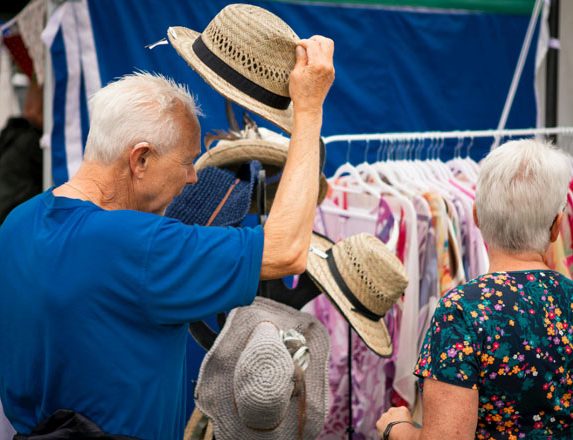
Grey nomads can have a positive impact on local economies seeking to recover from a setback. PIC: Immanuel MacCarthy / Pexels
Lorne Business and Tourism Association president Leon Walker, told the Geelong Advertiser that it was encouraging to see Lorne busy with visitors on the weekend … but said there could have been more.
“Last week the town took a big hit,” he said. “We’re mostly reopen, but it’s hard to fight those images on social media … it’s a struggle to get people back after something like this.”
 Several of the region’s caravan parks though did remain closed over the Australia Day long weekend for flood clean-up.
Cumberland River Holiday Park manager, Ram Nunez, told the Advertiser that the park was still closed for clearing operations after helicopters winched flood-ravaged cars from the water.
“We are aiming to reopen on February 6 subject to final safety assessment,” he said.
And Polwarth MP Richard Riordan told the Geelong Advertiser that the Victorian government needed to step in and support businesses.
“For small and medium-sized businesses already operating on tight margins after several challenging years this setback is crippling,” he said. “The effects will ripple through families, jobs and the wider community long after the floodwaters recede.”
When an area – particularly a regional one – is beset by a natural disaster, whether that be a bushfire, flooding, or something else, grey nomads are often encouraged to be among the first to visit to aid in economic recovery.
When record floodwaters that inundated parts of Queensland last year, the Foundation for Rural and Regional Renewal (FRRR) said disaster recovery typically takes 12 to 18 months, but can take longer.
The organisation’s Disaster Resilience and Recovery lead, Nina O’Brien, told the ABC at the time that there were a whole range of nuances or aspects of disasters that continue to emerge over time.
“I think disasters such as the 2009 fires in Victoria have taught us a lot about how long it takes to recover,” she said. “When a disaster occurs, all of the roads are wiped out, often all at once, and there are vast stretches that need repairing.”
Natalie Egleton, CEO of FRRR, said that when remote and Outback areas experience disasters, the impacts can be catastrophic for those communities on so many fronts.
“Yet they are often less visible and therefore, less supported,” she said. “Impacts will include stock and property losses, isolation, disruption to economies and wider supply chains, and increased demand on not-for-profit organisations.”
And Ms Egleton said all of those things could impact on the ‘mental health, wellbeing and the prosperity of those who work tirelessly to produce food and fibre for the world and the communities that support them’.
Are you a Grey Nomad member yet? Click here to find out about the discounts, competitions and other benefits on offer.




It was flash flooding of three very steep, small rivers, there’s no water laying around now as it was all over in a few hours.
The only damage sustained was to the three caravan parks located where the rivers flow out into the sea.
No residential properties or shops were flooded.
The temporary road damage has put people off going to the area but the GOR was open within a few days of the event.
We’ve been visiting the area regularly since the 1970’s but not in recent years because we refuse to pay $80-90 per night for a powered site.
The GOR has become a very expensive boutique destination with no free or low cost camping available.
we would love to revisit but were ripped off last time so never again. These businesses never think of tomorrow.
We don’t now go anyway near the GOR from Lorne westward. The area has laid it on travellers for a long time now with deliberately limited numbers of facilities and virtually zero low cost camps for families. Although I feel sorry for the 3 parks that have been devastated I feel no obligation to patronise the entire area at all. Gouging ultimately helps no-one and gives an area a bad odour.