

With devastating floods, searing heatwaves, and terrifying bushfires all happening at the same time, Australia is once again proving that – for all its beauty – it can be brutal, unpredictable, and unforgiving.
Sadly, the last few weeks has seen lives lost, buildings destroyed, vehicles swept away, and many people living through incredible hardship.
In North Queensland though, as the rains stop and the flooding recedes, the task of re-building will begin.
Besides the houses and shops, there will also be repairs needed to the infrastructure so vital for tourism … and for the long-term economic wellbeing of communities like Ingham, Charters Towers, and Townsville.
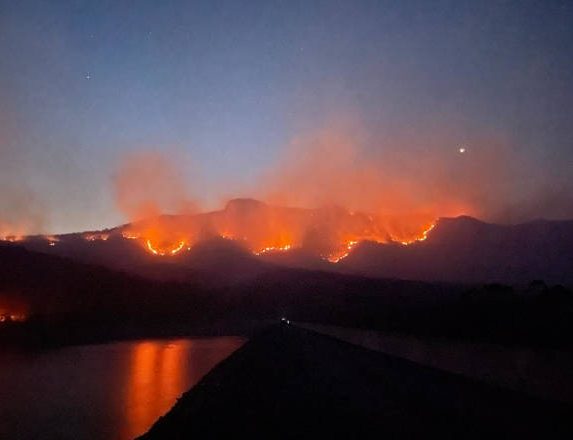
A bushfire came to the very edge of the Halls Gap Lakeside Tourist Park back in December.
Roads will be fixed; collapsed bridges will be built again; and shellshocked tourism operators and caravan park owners will begin assessing the damage and prioritising the tasks ahead.
The aim, of course, will be to have travellers coming back again as soon as possible. And it’s a similar story in areas that have been badly affected by bushfires in recent weeks.
 There are multiple fires still burning in Tasmania while in In Victoria, two ‘new’ bushfires at the Grampians National Park and Little Desert National Park are under control following several weeks of intense firefighting. Those blazes began on January 27, not long after previous nearby fires, which had begun before Christmas, had been controlled.
All in all, tens of thousands of hectares have been burned. For caravan parks, like Halls Gap Lakeside Tourist Park on the edge of the Grampians National Park, it’s been an incredibly traumatic time.
Since the original Grampians fire started on December 16, park owner Josephina McDonald has been living on her nerves. First, she had to evacuate the park as the fire spread; then she had to live with the very real fear that the blaze would consume the park as it licked at its edges; and then she had to deal with the financial impact of hundreds of cancellations.
“We lost at least 25% of our annual turnover and, although we have insurance, it is capped, so it does not cover our losses,” said Ms McDonald.
But, perhaps most worrying of all, is the potential long-term impact that it all might have on tourism in the area. Ms McDonald says her park escaped damage during the fires and is now well and truly open. She hopes that, with most of the national park now accessible again, visitors will return to the region in big numbers and help the community bounce back.
“After the first fire we had customers re-book and come back and cry with you and give you a hug and it is so special … we are so happy to have them here,” said Ms McDonald. “People here are so resilient, the community is so strong, and this hardship has brought people together … we shine bright.”
Are you a Grey Nomad member yet? Click here to find out about the discounts, competitions and other benefits on offer





The major problem as I see it is that Caravan Parks tend to build them into pseudo theme parks. They over capitalise their holiday sites, which by and large are situated next to rivers and forests that have natural beauty but are located as to cop the worst of flooding and fire events.
As these “parks” over develop the site on incident prone land the loss becomes too much to adequately insure.
If the parks remained a “camping site” (as most of them were originally), there would be less loss when the inevitable happens. This would keep insurance costs to a minimum and allow more affordable camping.
With minor damage to the parks, they would be able to re-open almost immediately after the event subsided.