

While grey nomads may spend a lot of time looking at sunsets, scenic landscapes, and historic buildings, there is one Big Lap constant they stare at for longer periods than they do for all of those combined … road markings!
These days, the bright white and yellow lines do more than guide drivers – they help prevent crashes, support emerging vehicle technologies, and help maintain the safety and efficiency of the transport network.
The CSIRO says that, while the markings may look simple, behind their sparkle is decades of materials science, safety, research and independent laboratory and field testing.
Money Arora, Team Leader of Materials Performance, Infrastructure Technologies at CSIRO said road marking performance can vary significantly across climates with a road line that performs well in Katherine, for example, behaving very differently in Katoomba conditions.
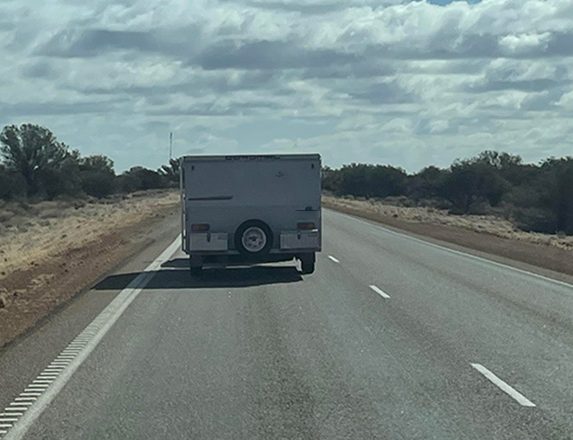
Clearly visible white lines help keep grey nomads on the road
The CSIRO says that when road markings fade too quickly or fail to perform, they cost more to maintain and can compromise safety, particularly on regional roads where lighting is limited.
It says clear, durable road markings are essential for human drivers. They help people stay in lane, read the road ahead, and react safely in changing conditions.
And, increasingly, they are also relied upon by vehicle technology already on Australian roads.
“Many people don’t realise that lane keeping assistance and other driver support systems depend on well defined, consistent line markings,” said Ms Arora. “If markings can’t be clearly detected, especially in rain, glare or at night, it can reduce the effectiveness of these safety systems.”
Most grey nomads are off the road before darkness descends, but the familiar glow of road lines seen by night-time drivers is carefully engineered. The ‘glitter’ drivers see under headlights comes from tiny glass beads embedded in road marking paint.
During the day, visibility relies more on painted contrast and colour stability, and how well the markings have held up over time.
The CSIRO says that, in bright sunlight, glare from wet roads, pale concrete surfaces or low sun angles can make markings harder to see. Over time, UV exposure, dirt and wear can also reduce contrast.
“That’s why we assess both daytime and night-time performance,” said Ms Arora. “Drivers don’t experience roads under controlled conditions – they experience them in rain, heat, glare and traffic … testing needs to reflect that.”
CSIRO evaluates road-marking materials using standardised methods that measure durability, visibility, and performance under both simulated and real-world conditions.
“Independent testing provides confidence that materials will last, perform and deliver value for money,” Ms Arora said. “It helps road authorities make informed decisions and helps motorists and cyclists trust that the lines guiding them will be there when they need them.”
She said the science behind those road lines was rarely noticed, but its impact was everywhere.
“By getting the details right, we help make Australia’s roads safer today, and ready for the future,” said Ms Arora.
Are you a Grey Nomad member yet? Click here to find out about the discounts, competitions and other benefits on offer.







My vehicle doesn’t and if I bought a new tow vehicle it would have to be one that the lane sensing can be turned off. Its just another thing to distract you while driving. Councils just need to keep the lines clear.