
With many grey nomads may already plotting their trips north this year, it seems they will need to be more aware than ever of the potential health threats posed by mosquitoes.
New research has shown Northern Queensland is facing an escalating public health threat from mozzie-borne virus activity, including dengue, Ross River and Barmah Forest viruses.
James Cook University scientists, who led the study, said recent surveillance data indicated national mosquito-borne virus cases nearly doubled between 2023 and 2024, with trends continuing.
PhD candidate, Eram Hosen, said climate change was lengthening and intensifying transmission seasons while rapid urbanisation was providing abundant breeding habitats.

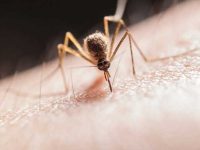
Mosquitoes can pose a serious health threat. PIC: Jimmy Chan / Pexels
He also highlighted Northern Queensland’s proximity to Southeast Asia was further exacerbating transmission of mosquito-borne viruses (MBV).
“MBV cases surged in Northern Queensland and national totals almost doubled in 2024,” he said. “In Queensland, reported cases included 1701 Ross River virus infections and 378 dengue cases, alongside detections of chikungunya and Japanese encephalitis viruses.”
 The study also highlights that more than 900 unclassified flaviviruses (viruses spread by ticks and mosquitoes) have been detected across Australia over recent decades, including over 100 in Queensland alone, pointing to likely gaps in current detection systems.
Associate Professor Subir Sarker said control based on Wolbachia – a genus of gram-negative bacteria – had been remarkably successfully in reducing dengue transmission, but the study showed broader MBV activity continuing to rise, along with the likelihood that new viruses are circulating.
“While current PCR-based detection methods are effective, they are largely restricted to identifying known pathogens,” he said. “Existing surveillance systems therefore remain limited, as their focus on predefined targets increases the risk that emerging or previously uncharacterised mosquito-borne viruses go undetected.”
Associate Professor Sarker said an integrated public health response that combined expansion of Wolbachia-based control programs with next-generation sequencing – enabled genomic surveillance to enhance early detection, underpinned by strong community engagement was needed.
Are you a Grey Nomad member yet? Click here to find out about the discounts, competitions and other benefits on offer.