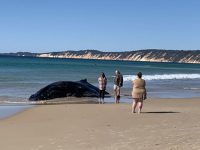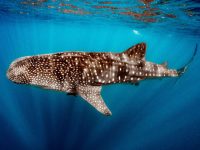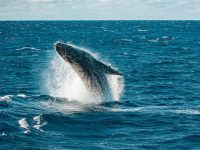

All along the coast of Australia, grey nomads will be keeping a close eye out to sea as many different species of whales begin their annual migration north.
Each year, humpback whales undertake one of the longest migrations in the animal kingdom, travelling up to 10,000 km from the Southern Ocean to breeding grounds in warmer climates.
The first humpback whales of the season were sighted off Sydney this week, and the NSW National Parks and Wildlife Service (NPWS) is encouraging people enjoy the spectacle of the majestic creatures but is also reminding them to stay at a safe distance and avoid interfering with the animals.
As they travel through inshore Australian waters, humpback whales are susceptible to becoming entangled in fishing gear and other marine debris which can lead to fatigue, injury, and death.

A whale is successfully rescued at Diamond Head, NSW. PIC: NPWS
For that reason, in NSW, an expanded team of specialised rescuers are poised and ready to launch as tens of thousands of whales begin their annual migration along the state’s coastline.
Large Whale Disentanglement team boasts 45 professionals, including a new team of 11 people based out of the Hunter Central Coast branch.
In 2023, 13 humpback whales were successfully freed from entanglements off the NSW coastline.
If conditions allow, the NPWS team will launch small inflatable boats, along with a larger support vessel, to approach an entangled animal and assess the entanglement, the animal’s condition, speed and behaviour. They then plan a release strategy to cut the animal free, which sometimes involves slowing the animal down by temporarily attaching large buoys.
 Disentanglement rescues can sometimes take multiple days of tracking before a successful intervention can be made. The NPWS crew work with partner organisations including Marine Rescue, ORRCA and Sea World to optimise state-wide coverage for whale rescue operations.
NSW National Parks and Wildlife Service Marine Wildlife Team Leader Duane March, said the expanded team meant the state was better equipped to help these whales if they find themselves in distress in NSW coastal waters.
“While this increased capacity is a positive step, whale disentanglements are inherently dangerous and dependent on weather and sea conditions. The safety of our teams is always the number one priority,” he said. “We can’t always guarantee a successful rescue, but we’re committed to doing everything in our power to help these animals when we can.”
Are you a Grey Nomad member yet? Click here to find out about the discounts, competitions and other benefits on offer.