

Grey nomads who regularly complain they are commonly ‘tailgated’ by other road users will not be surprised to learn that a major safety survey has identified following too closely behind another vehicle as a major accident ‘causer’.
The just-released annual AAMI Crash Index also identifies everyday driving habits like braking late, misjudging turns, and failing to anticipate changing traffic conditions as seriously problematic behaviour.
The insurer analysed more than 394,000 motor insurance claims lodged across Australia between January 1 and December 31, 2025, to find trends and patterns.
Rather than identifying just one dangerous road, the data painted a broader picture of where and how Australians are crashing.
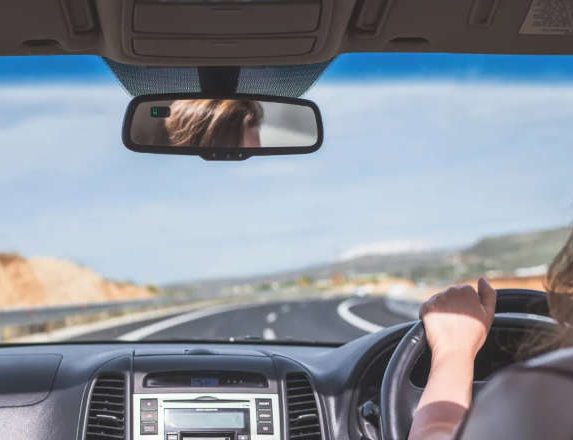
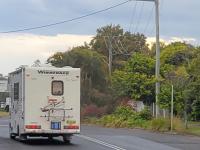
The open road can look inviting ... but care is always required. PIC: AAMI
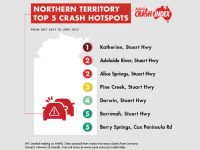
The nation’s worst hotspots shared strikingly similar characteristics: busy arterial roads, traffic lights, major intersections, shopping precincts, car parks and heavy stop-start traffic.
These are roads where congestion, merging traffic, turning vehicles and momentary lapses in concentration create the perfect conditions for everyday driving mistakes.
 The driver category with the most crashes was males aged 65 and over, the worst day for accidents was Friday, and the most common crash types were: nose to tail (28%); failure to give way (23%); and collision with a stationary object (22%).
While the AAMI Crash Index revealed where Australians were crashing, data from thousands of drivers using the AAMI Driver Rewards (ADR) technology through the AAMI App provided insights into how they’re driving … and where they can improve to become safer on our roads.
ADR tracks five key driving behaviours; speeding, distraction, acceleration, braking and cornering, and provides drivers with a score out of 100, offering a unique snapshot of real-world driving habits across the country.
Australians performed well when it came to speed, recording an average speeding score of 95.9 out of 100. Drivers also scored strongly for avoiding phone distraction, with an average score of 87.6. However, acceleration (78.6), braking (77.9) and cornering (76.3) were drivers’ lowest scoring behaviours, suggesting many motorists could improve by looking ahead, leaving more space between them and the car in front, and taking greater care when navigating busy intersections.
AAMI Motor Prevention Manager, Mary Kennedy, said the patterns were unmistakable.
“The hotspots topping our list all share similar traits — heavy traffic, multiple lanes, traffic lights, major intersections, shopping precincts and constant turning movements, where even a momentary lapse in concentration can lead to a crash,” she said. “Most claims aren’t high-speed collisions … they are everyday bingles like nose-to-tail crashes, failure to give way, and collisions with stationary objects, which means they are also among the most preventable.”
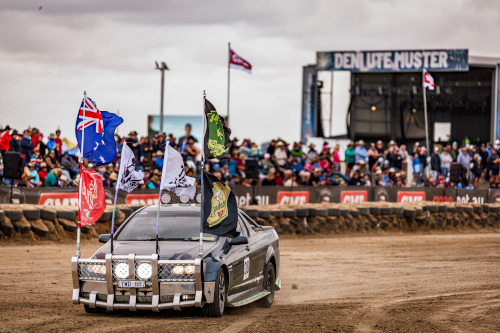
WIN DENI UTE MUSTER TICKETS
Grey Nomad members are being given the chance to win one of three admission and camping packages to the iconic Deni Ute Muster event in the NSW town of Deniliquin.
Each package is valued at $800 and includes two General Admission tickets, a reserved campsite, and early entry from Wednesday for the event which this year runs from Friday, October 2, until Saturday, October 3.
Click here to learn more about the competition.
WIN VOLTX LiFePO4 BATTERY SYSTEMS
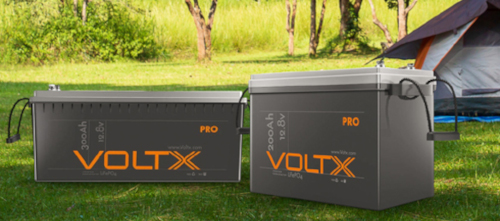
Grey Nomad members are being given the chance to win one of two fantastic VoltX LiFePO4 Battery systems, with a combined value of nearly $2,500.
With travellers increasingly spending more time off-grid, having a reliable and adequate power source is more important than ever … and these two products will certainly offer adventurers peace of mind on that front.
Click here to learn more about the competition.






I always leave a good braking distance between my vehicle (whether towing my van or not). But people constantly leave the moment to merge till the last moment the jump into the space even if the traffic is already braking. This means that I have to brake harder. Drivers need to look in their mirrors before jumping in. There seems to be an idea that I can put my indicator on and change lanes without any consequence. At times I have been halfway along the side of a vehicle and they throw their indicator on and start moving over straight away.
I think the main reason for tailgating is frustration when traveling on the highway sitting on 90 then speeding up when overtaking lanes or long straights appear. Not talking about towing caravans just people with no commonsense.
An all too often occurrence. People also need to realise that even when their speedo is showing 90kph…it may well be in fact only be 85kph. This frustrates drivers even more. Its alrright for the rubber neckers on holidays to feel that they are entitled to dawdle along but majority of tradies, truck drivers, buses and many private cars earn a living from traveling on our roads and many have a deadline that if not met can have detrimental impacts. Please do not say..”well just leave earlier”!! It’s a nonsensical statement. How the hell people suddenly find another 10-15kph upon reaching an overtaking lanes defies logic!!
It is well overdue for police to start using unmarked cars and fining drivers who speedup in overtaking lanes. Also same thing for arrogant truck drivers on the Bruce Highway. They might be on a timeline but they don’t own the road. I have had many good comments from truck drivers while I have been towing my caravan all over Australia., but not on the Bruce Highway.
I agree! I don’t like doing over 95km/hr in my 4 tonne Campervan so I pull over often when it is safe to do so allowing the cars lined up behind me time to pass safely. Even in the overtaking lanes I’ll slow down to 80km/hr to allow as many cars and trucks as I can to pass me. I like to keep everyone safe as well as myself.
Yes Bob, I know how you feel, I have that occur very Often, I am now 86, Y.O.A. & have been Driving since 1956, ( 70 Years ) & it has always been that you by turning on your Vehicles Turn Signal Indicators, it is only that you are indicating that you are intending to TURN of CHANGE LANES, it does NOT GIVE you the Right to make such a change in your Vehicles movement direction and certainly if by doing so you cause an Accident you can receive an infringement, / FINE ECT and be liable to pay for any damages and EXCESS of the other Parties Insurance,
Cheers Robert.
I find the biggest issue I have is when required to merge or change lanes whilst towing. I find that motorists must think that I am joking when I have my right indicator on. It’s mainly male drivers that are the main offenders
Agree. They seem to think the blinker light means for them to speed up.
I would agree on that finding . We’ve driven past a merging lane in the next lane with trucks on the inside lane so we can’t change lanes like we would normally.Drivers have kept merging without realising we’re towing a caravan .now that is scary.
My philosophy is to follow a truck , they cant stop as fast as I can (I hope ) and most places travel at 100k or better. You’ll still arrive in good time and save fuel.
Most crashes all boil down to one common denominator it’s called IMPATIENCE.
In the event you have a “tailgater” close behind, simply allow your vehicle to drop an extra 10Km of speed without using your brakes. This should allow it , “the Gater” to then pass safely if they are a competent driver. Also be prepared to pull off, to a stop, into safe sections if travelling on a single lane country road and let the followers move to the front.
You do that with a road train behind you slow them down then they take twice as long to overtake making it more dangerous for both of you You should only slow down after they have pulled out to overtake so they can get passed faster.no hassles and everone has a safe trip
Dicko,,,, I agree with your view on the speeding up of cars in overtaking lanes,, BUT, because the speed limit may be 100 KPH doesn’t mean we have to do 100 KPH just to satisfy you,, there is nothing wrong with 90 KPH !
That is what overtaking lanes are for .for people to over take safely.people who speed up in overtaking lanes should be fined.nothing more frustrating than sitting behind someone travelling at 90km then doing 110 in the overtaking lanes
I find if I want to turn into a right hand lane to be able to right, they won’t let you in.